
The Intersection Between Food and Grief
the impacts of grief on the body, mind, and spirit
When tragedy strikes, especially the death of a loved one, people arrive with food in tow. Casseroles covered by foil. Grocery store cakes in their plastic cartons. Warm soup in mismatched containers. Even after a funeral, friends and families gather around long tables, filling plates with catered food they may barely consume, sitting close enough to trade stories and memories. Food becomes the default after a loss. A ritual that feels almost instinctual. But why is food such a central tenant in the grieving process?
Across cultures, food functions as both a symbol and a tool. For the body, it is an act of care meant to nourish. For the mind, it is an opportunity to see that you are not alone. For the spirit, it is an act to honor the dead.

In Ireland, death is seen as an opportunity to celebrate life. The traditional Irish wake includes “…food, drinks, and stories to be shared abound. The modern Irish wake is still about celebration and embracing our mortality with a bit of humor and good cheer,” (TalkDeath). The presence of food creates space for remembrance and communal resilience. Similarly, in the United Kingdom, “… the sharing of food after burial, each act reflects both a respect for the departed and the needs of the living,” (Pulvis Art Urns). Though the customs vary, the purpose remains the same: food brings people together when grief threatens to isolate. It gives the bereaved permission to exist within a community experiencing similar emotions, even when words are scarce. But what happens when the body refuses?

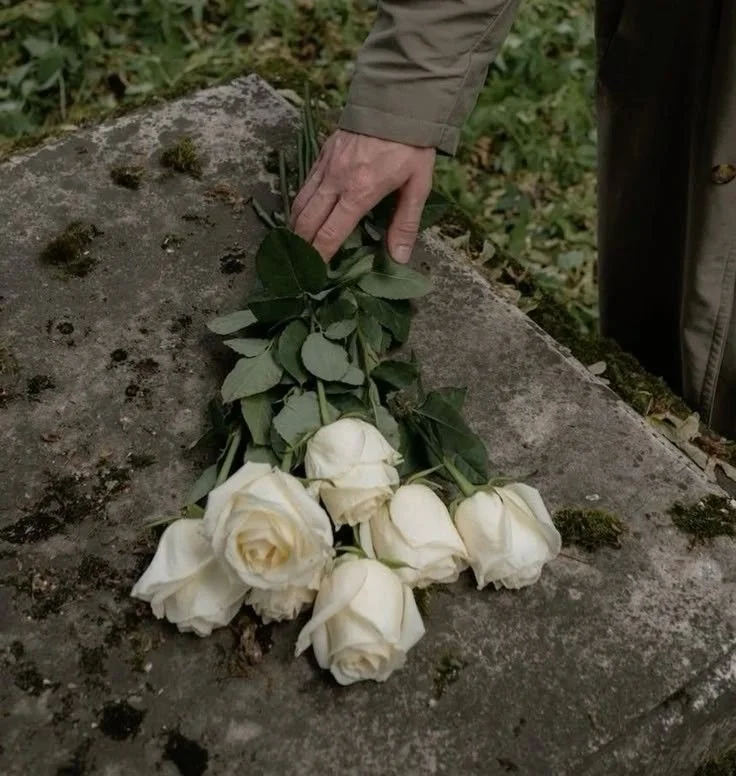
Loss of appetite is a common component of grief. Your body experiences an acute stress response (also known as the “fight-or-flight” system). Cortisol and adrenaline flood the system, suppressing hunger signals. From a biological standpoint, eating becomes unnecessary as your body perceives imminent danger. Grief also affects the hypothalamus, the brain region that regulates hunger and fullness. In addition, dopamine levels drop, dulling pleasure and reward. Even when someone in mourning tries to eat, they may feel full after only a few bites, forget meals altogether, or experience a complete lack of enjoyment. This physiological response highlights the deep connection between emotion and digestion, referred to as the gut-brain axis. In The Mind-Gut Connection, Emeran Mayer explains, “…feelings of stress, anger, sadness, or anxiety always turn up at the dinner table,” and what is grief if not all of these emotions?
Psychologically, grief is often described as five stages: denial, anger, bargaining, depression, and acceptance (Cruse Bereavement Support). Though these stages may not necessarily be linear, they illustrate the intensity of it. Grief itself is defined as “deep and poignant distress caused by or as if by bereavement” (Merriam-Webster). That distress does not remain confined to the mind. It radiates outward, settling in the chest, tightening the throat, churning the stomach. This is why grief is so often described as a physical sensation rather than just an emotional one.
Yet grief does not always manifest as an absence of hunger. Sometimes, the opposite occurs.
Food can become a source of comfort, memory, and longing. Certain flavors or smells can unlock emotions instantly, leaving you in tears before your brain even knows why you started crying. The smell of popcorn might conjure memories of movie nights with someone who is gone. A particular cookie might transport someone back to their grandmother’s kitchen, with tin containers neatly lined on the counter. Flavors tie to memories, smells revive them.
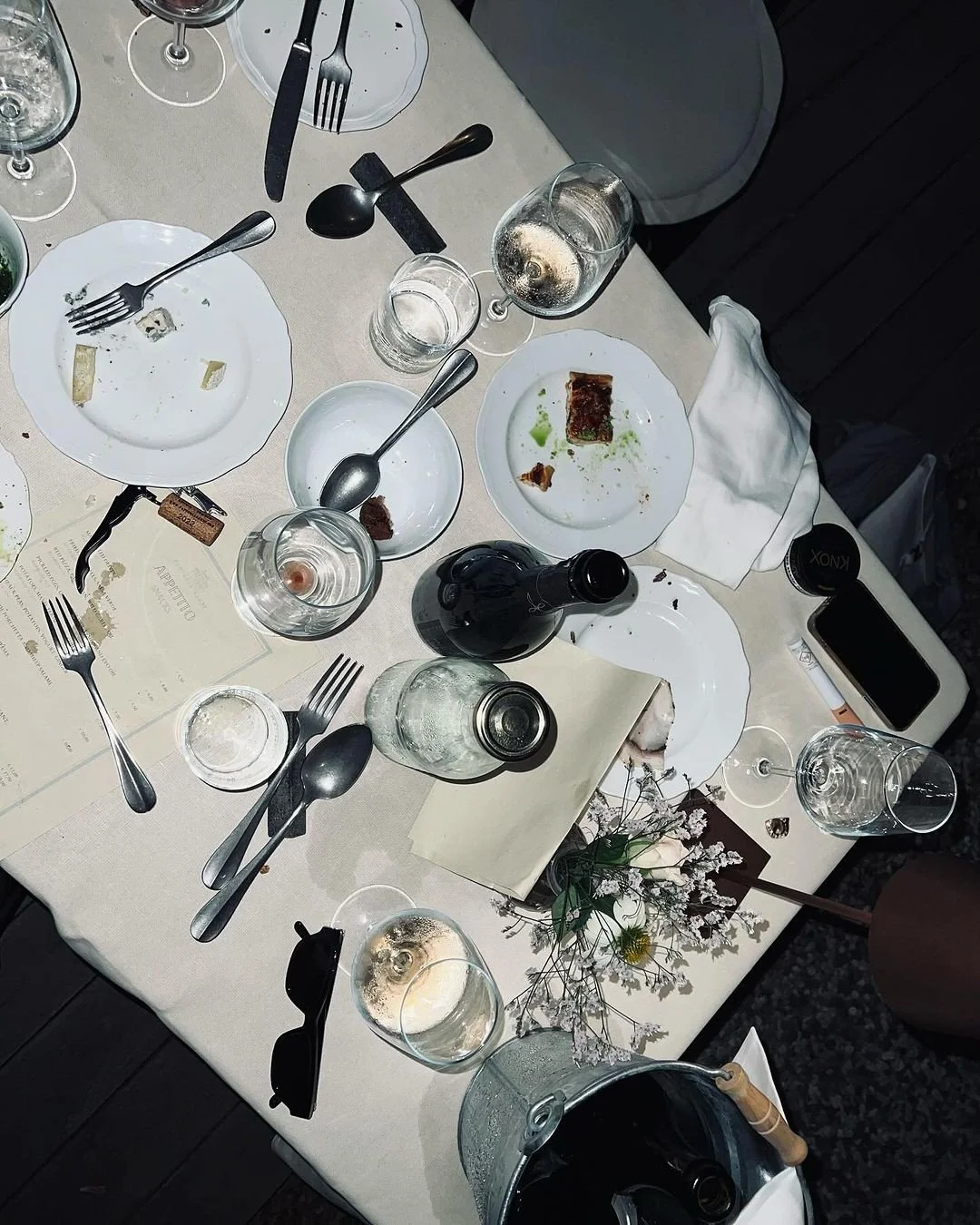
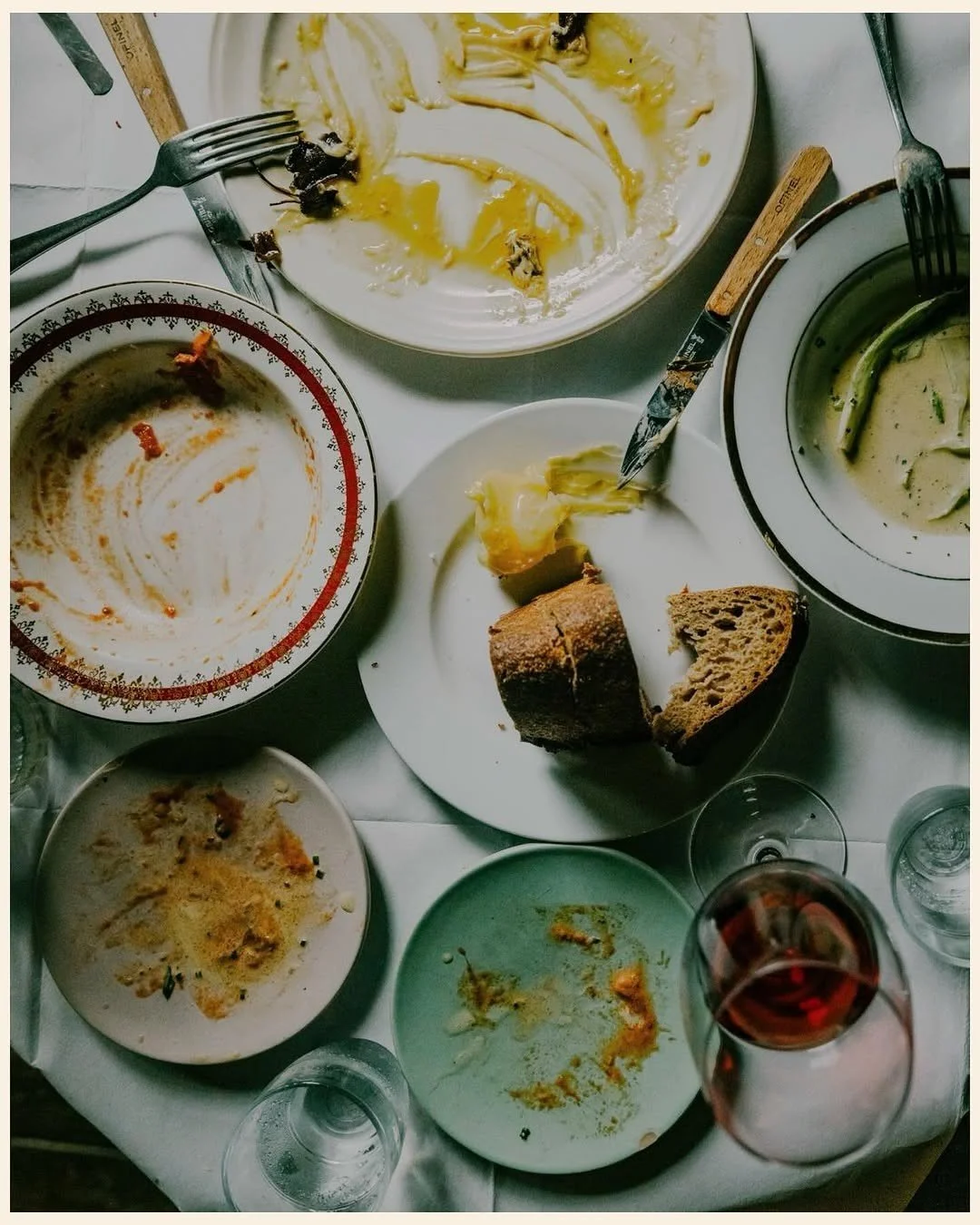
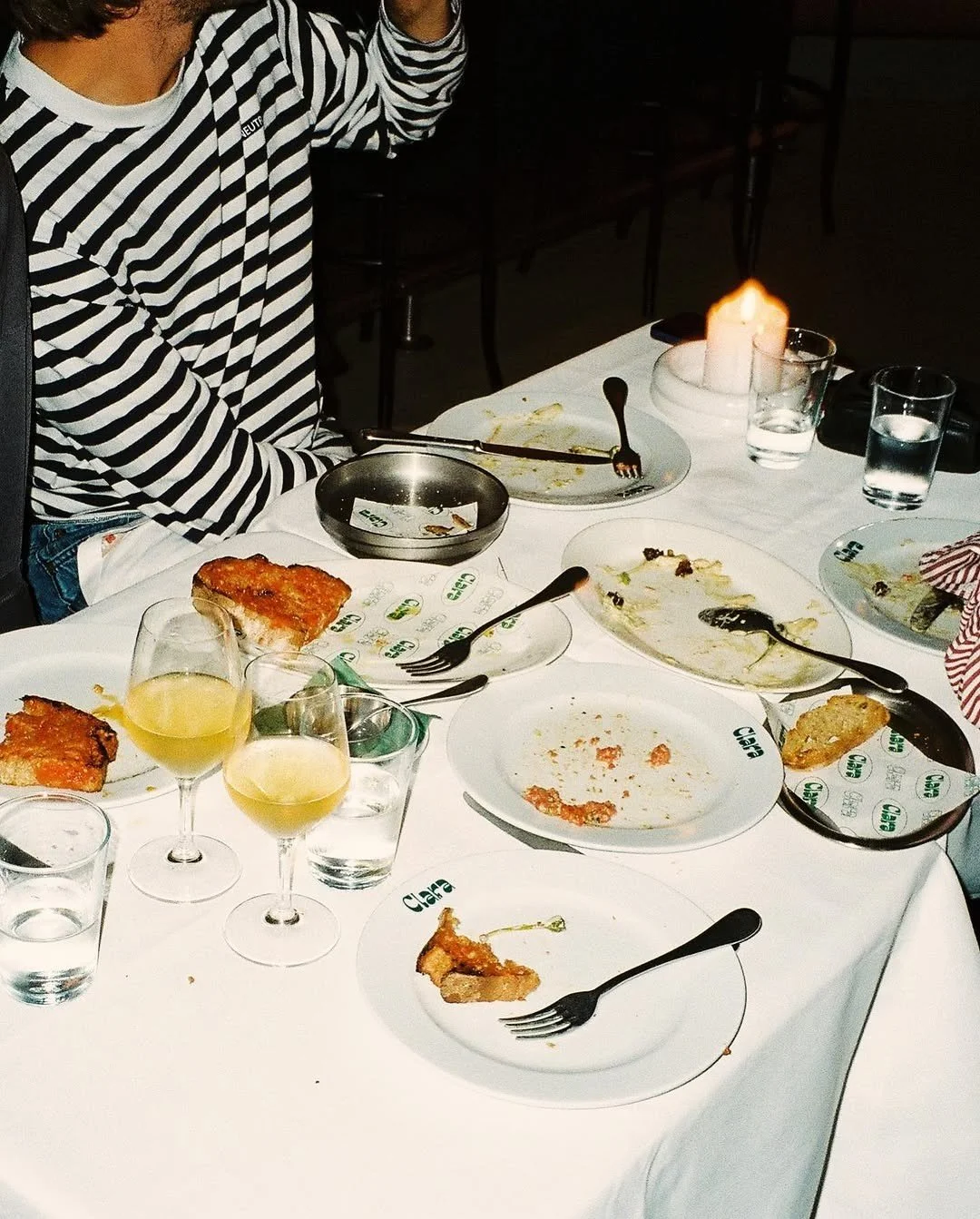

In my book, Penny cooks beef bourguignon for Vivian, and the aroma transports Vivian back to memories of her happy childhood, when her father was still around. The dish becomes more than a meal, reviving the past and bringing it into the present. Yet even as food carries good memories, Vivian is unable to eat after experiencing a severe loss. She undergoes rapid weight loss, existing in a fog, persevering for a cause outside of herself.
Mary Oliver’s poem "When" captures this tension beautifully. She writes about not wanting to miss anything: the moon, its return, a kiss. In grief, food becomes another version of that desire: to hold onto sensation, memory, and presence, even as loss threatens to hollow them out.
Ultimately, food exists at the intersection of grief because grief lives in the body as much as the spirit. In this way, food becomes both a symbol of the ways grief reshapes the body, mind, and spirit.
This essay offers a glimpse into the themes of my upcoming thriller novel.

When
When it's over, it's over, and we don't know
any of us, what happens then.
So I try not to miss anything.
I think, in my whole life, I have never missed
the full moon
or the slipper of its coming back.
Or, a kiss.
Well, yes, especially a kiss.
—Mary Oliver
Works Cited
Cosmos. “Public Work by Cosmos.” Cosmos, www.cosmos.so/public-work. Accessed 20 Jan. 2026.
Cruse Bereavement Support. “Understanding The Five Stages of Grief.” Cruse Bereavement Support, 26 Sept. 2023, www.cruse.org.uk/understanding-grief/effects-of-grief/five-stages-of-grief/).
Mayer, Emeran. The Mind-Gut Connection: How the Hidden Conversation within Our Bodies Impacts Our Mood, Our Choices, and Our Overall Health. HarperCollins Publishers Inc, 2018.
Merriam-Webster. “Grief Definition & Meaning.” Merriam-Webster, Merriam-Webster, www.merriam-webster.com/dictionary/grief). Accessed 20 Jan. 2026.
Oliver, Mary. Swan.; Poems and Prose Poems. Beacon Press, 2012.
Pulvis Art Urns. “Echoes of Farewell: How Britain’s Funeral Traditions Blend the Past and Present.” Pulvis Art Urns, www.pulvisurns.com/blogs/news/echoes-of-farewell-how-britain-s-funeral-traditions-blend-the-past-and-present?srsltid=AfmBOooGcp5YMghqGLkQsRQz1JD88GAGXGheT5XqMm86o7rFBL1tw97J. Accessed 20 Jan. 2026.
TalkDeath. “Funeral Traditions from Ireland: How the Irish Embrace Death.” TalkDeath, 18 Dec. 2022, talkdeath.com/funeral-traditions-from-ireland-how-the-irish-embrace-death/.