
On Revisions
where on earth do I begin?!
The month of February marked the crossover into my second round of revisions for my debut fiction thriller, which is still without a sufficient title…
I have technically been at this point before with my first book (the one that will most likely never see the light of day). My vague memories of this period include a self-funded writer’s retreat to Honolulu. I wrote in warm, bright coffee shops where birds flew around indoors. I took breaks by soaking in the sun at Waikiki Beach. I outlined with colored sticky notes plastered across mirrored sliding closet doors.
However, I cannot remember the exact method I used to revise. What was step one? Step two? Step ten?
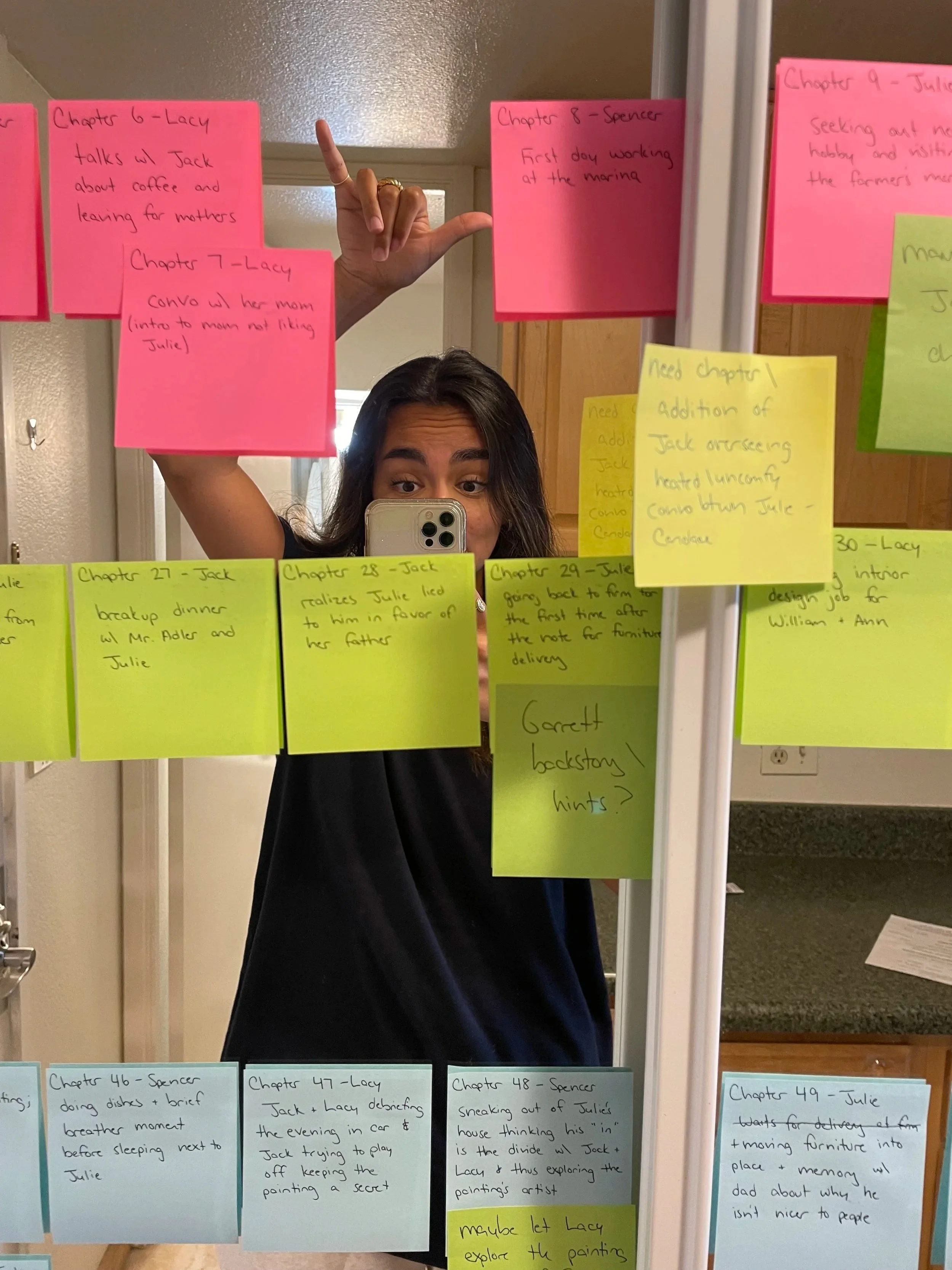
I equally have the vague memory of sitting at a table in a coffee shop on the strip, fingers slamming away on the keys, until there were no more words to write. I’d finished that second round of revisions and experienced relief. A deep inhalation of fresh air, and an excitement for the break from writing I had just earned.
When February arrived this year, and it was time to begin revisions on Book Two, I found myself staring at my laptop with the uncomfortable realization that I had no clear starting point. The draft existed, and I knew some big picture elements weren’t right, but knowing something is flawed and finding those flaws are two different things.
After reading a few articles on revisions, specifically one that mentioned a writer being a “butcher paper to the wall” kind of gal, I decided to return to the wall process that worked for me once before.
This time, however, I wanted to be more efficient.
I ordered butcher paper, index cards, scotch tape, and sticky notes, more determined than ever to see my writing on the wall.
My initial plan was ambitious: I planned to re-outline the entire book using the framework from Story Genius, identifying the alpha point for every chapter and tracing the internal shifts with precision. I managed to get about ten chapters into this endeavor before my hand cramped and my handwriting deteriorated into something nearly illegible. By the eleventh notecard, it became abundantly clear that rewriting the entire outline from scratch was not going to be sustainable.
To salvage momentum, I pivoted to a more streamlined approach. Rather than reconstructing everything in exhaustive detail, I began identifying the alpha point for each chapter and listing concise bullet points of the key events. Simultaneously, I layered in the developmental edits I already knew were necessary based on beta reader feedback.
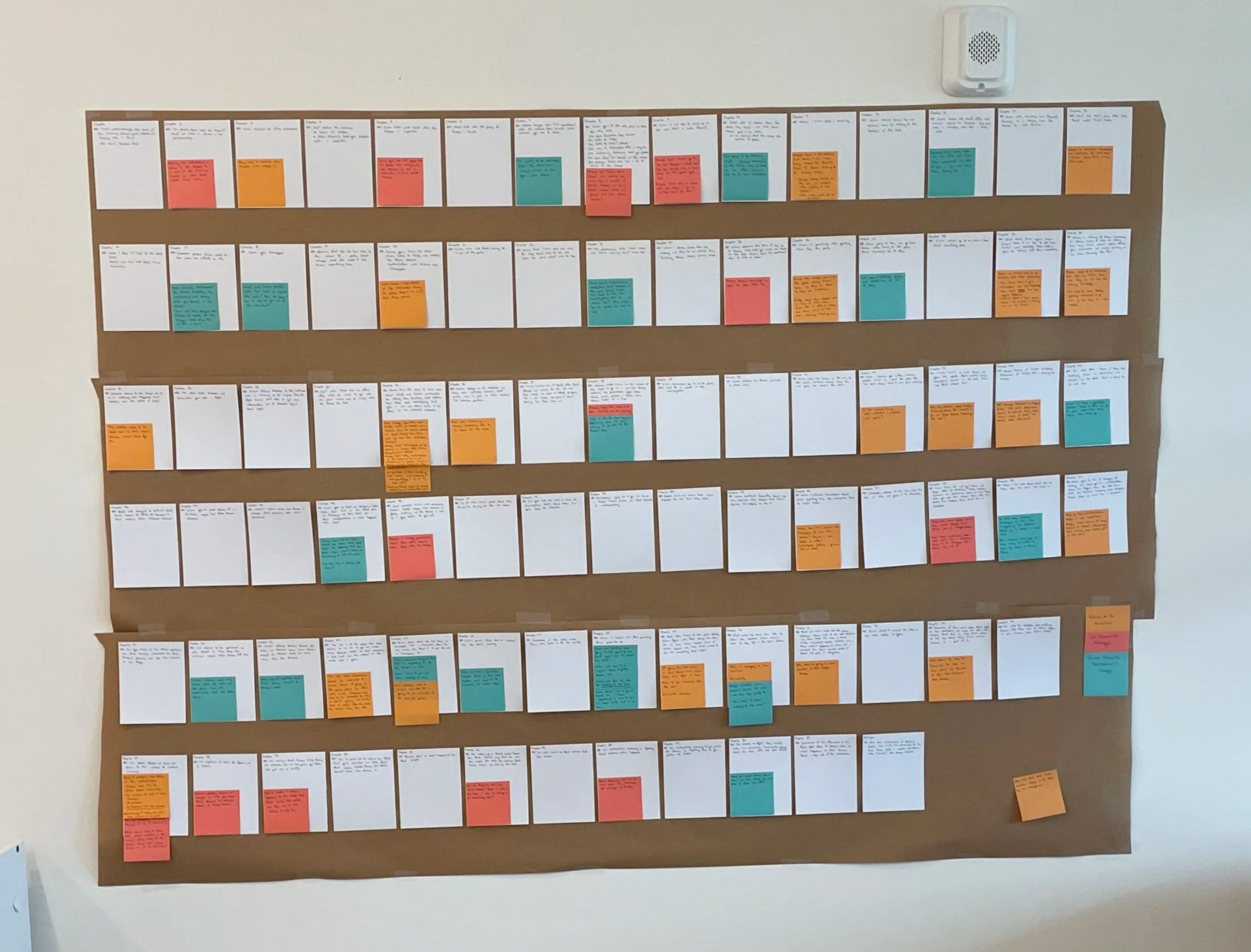
I designated three distinct colors, each serving a specific purpose in diagnosing the manuscript’s weaknesses. One color was reserved for Vivian, my main character, and the areas where her development still feels thin, rushed, or emotionally unearned. Orange sticky notes marked unresolved plot points, forgotten threads, tension beats that need escalation, and clues that require sharpening or strategic misdirection. Pink sticky notes tracked side character development, highlighting where secondary arcs feel disconnected from the main narrative. The white cards represent the book as it currently exists, while the sticky notes reveal the book as it needs to become.
In addition, I have begun devouring craft books like The Art of Revision by Peter Ho Davies and Steering the Craft by Ursula K. Le Guin. Both good books, however, they were not insightful for where I am in the revision process. Even The Art of Intimacy by Stacey D’Erasmo did not quite hit the mark for helpful tidbits on how to increase the friendship elements within my book.
Next on my reading list are Writing Deep Scenes by Martha Alderson and a reread of The Woman in the Window by A.J. Finn, which I still consider one of the strongest examples of page-turning pacing in a thriller. While it may look like procrastination to stack craft books beside a manuscript that still requires structural changes, I believe that input shapes output, and if I am about to spend months tightening plot turns and deepening character motivation, I want my thinking shaped by writers who have done it well.
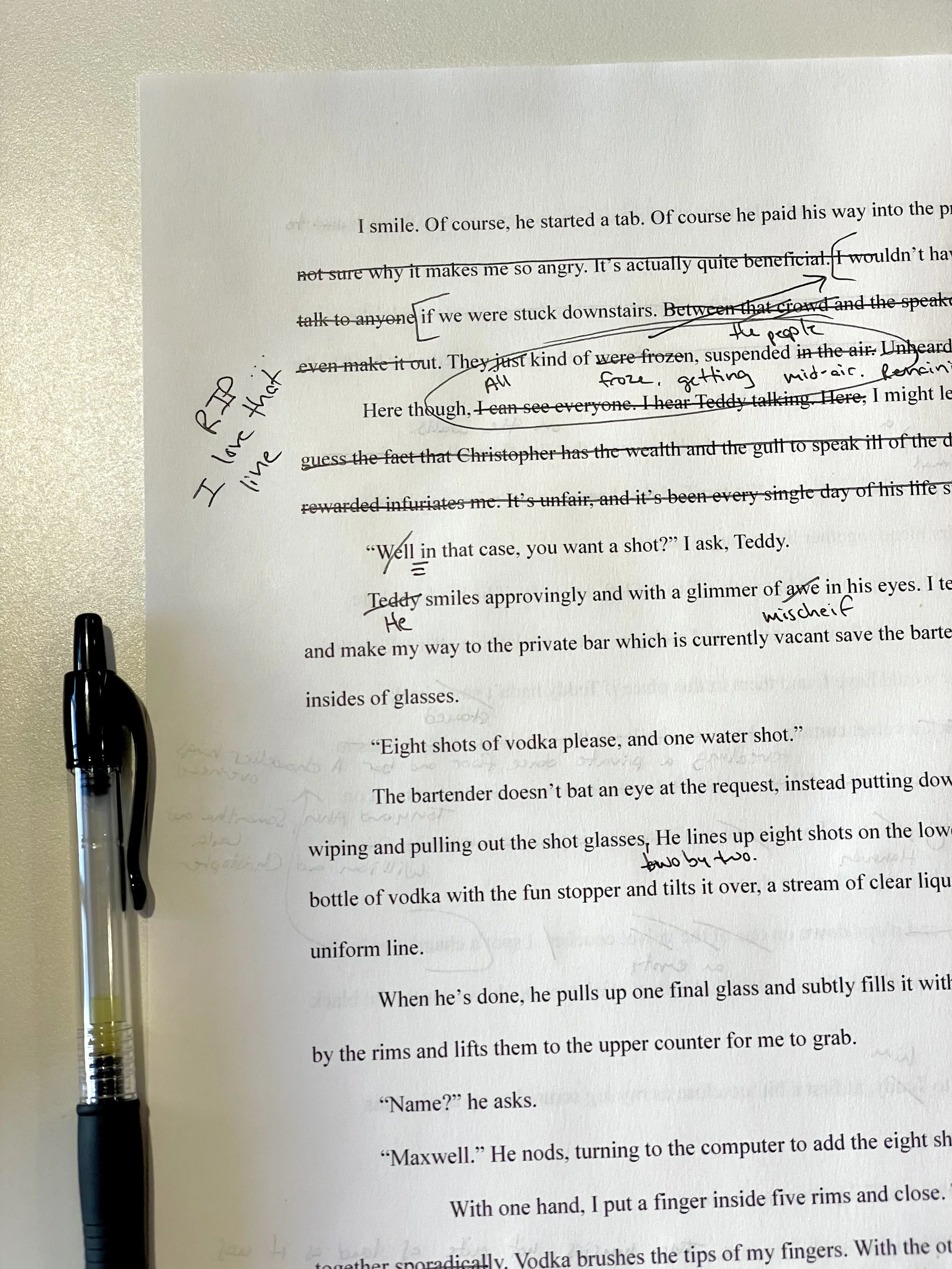
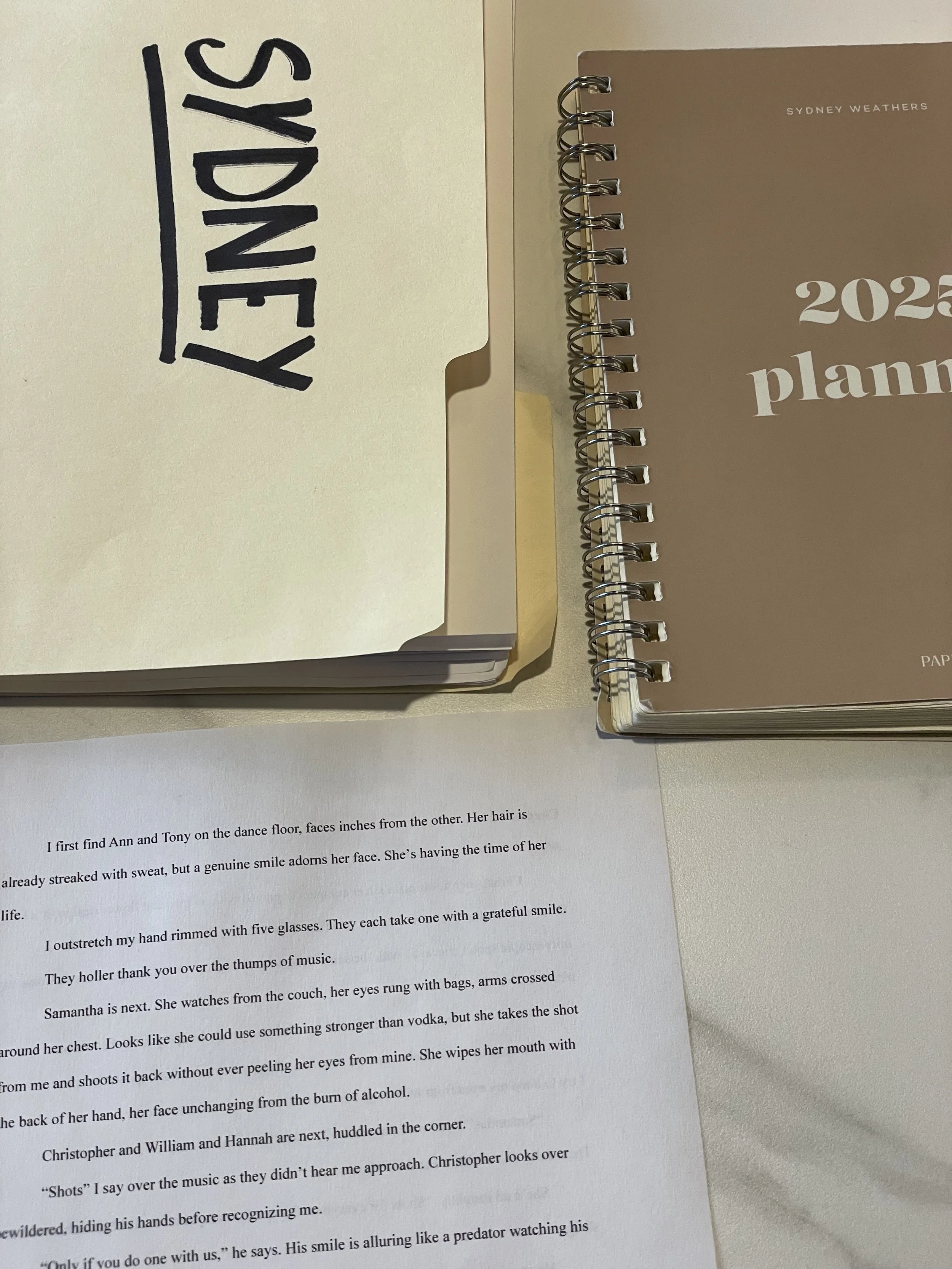
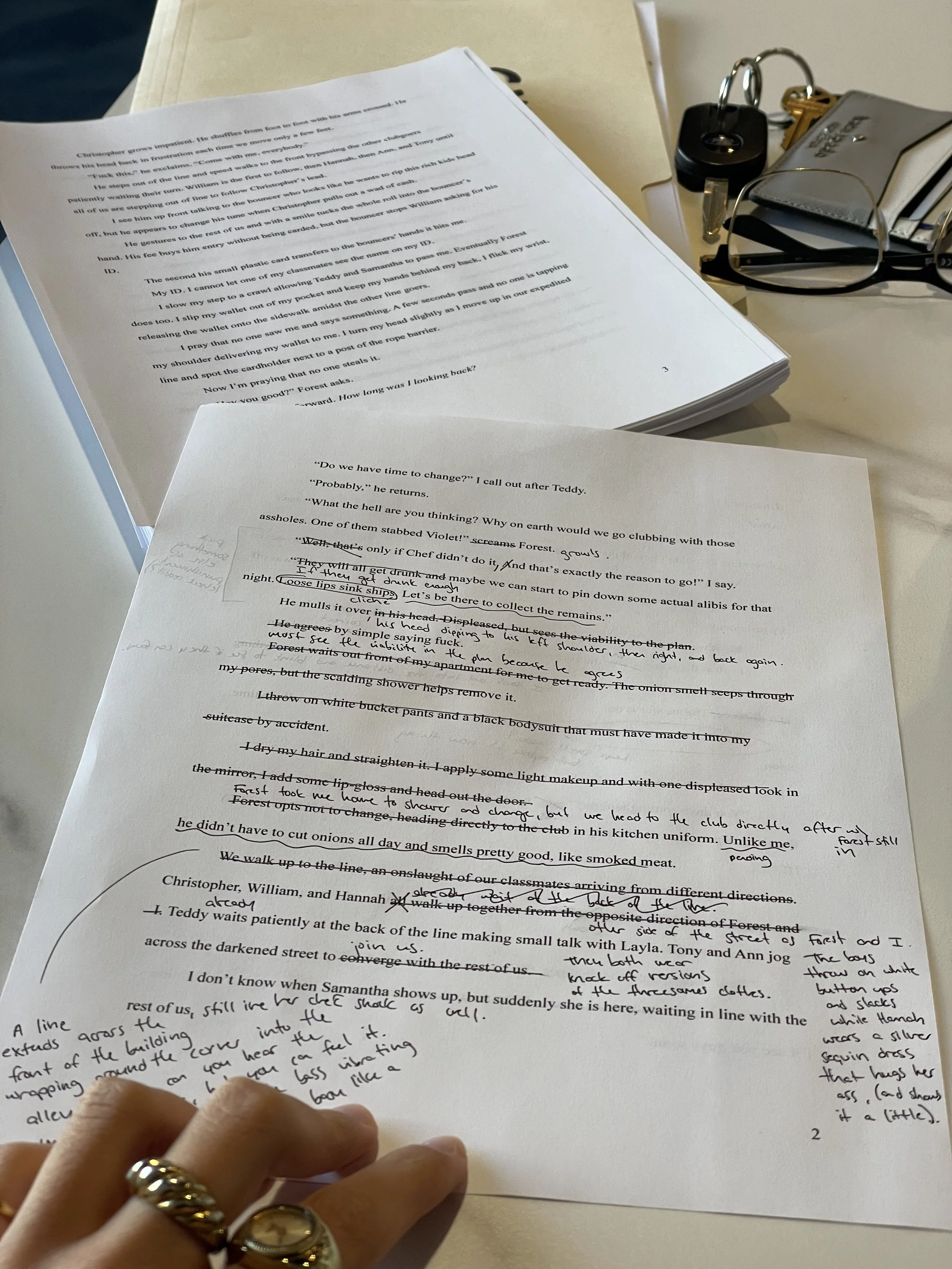
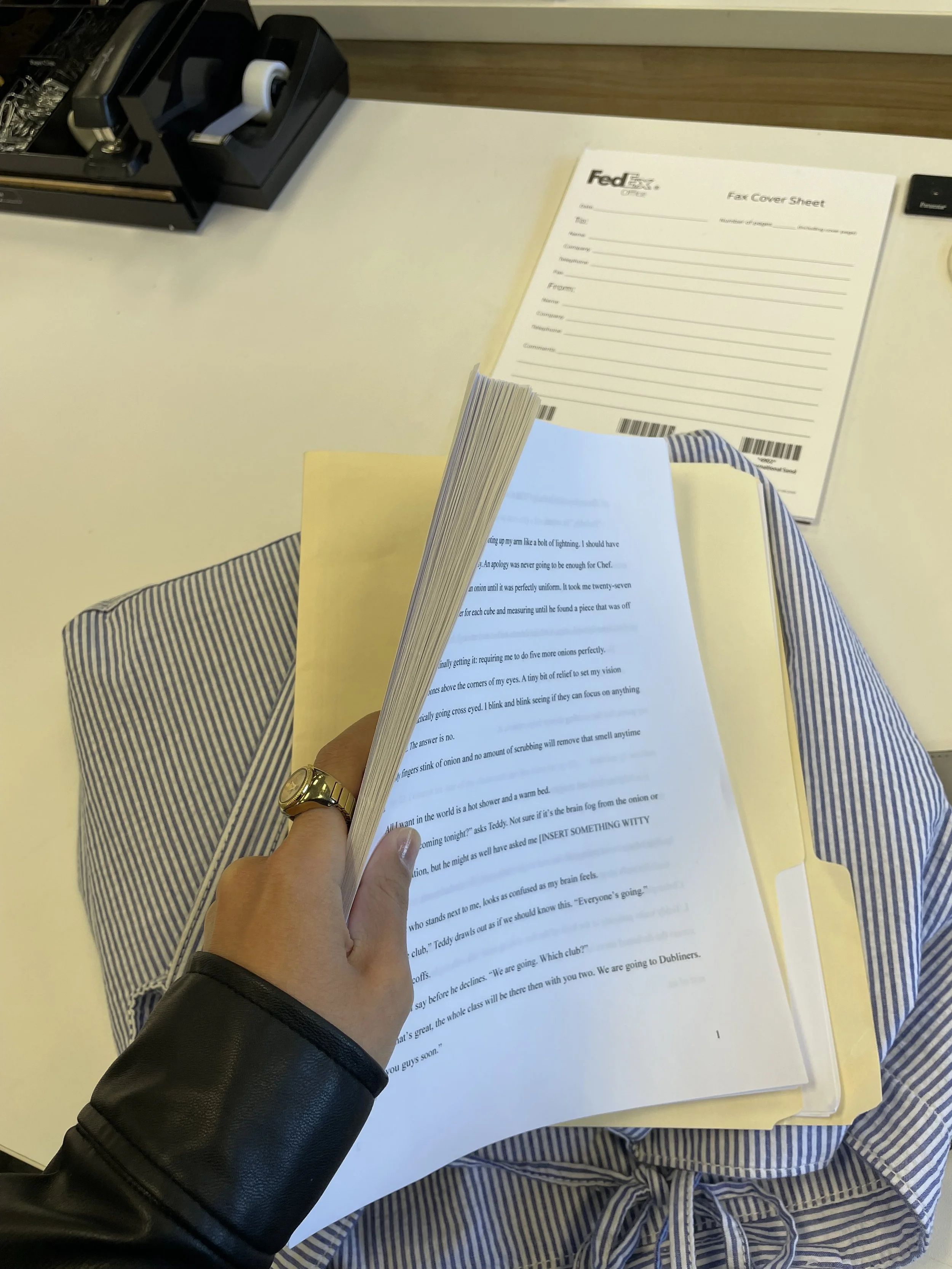
What complicates all of this is my timeline hovering in the background. I have a goal of querying by April 2026, a date that feels both distant and alarmingly close depending on the day. Publishing timelines, however, have a way of expanding beyond initial expectations, and I am increasingly aware that each stage of revision takes longer than anticipated. Developmental edits expand, line edits expand, beta feedback expands, and perhaps most significantly, my own standards continue to expand.
This time, I am committed to seeing the entire architecture clearly before altering the prose. I want to ensure that the midpoint truly shifts the story, that the third act earns its resolution, and that every escalation of tension is deliberate rather than accidental. By writing everything out physically and studying it at a glance, I hope to prevent the dreaded third-round realization that a major plot thread simply does not work.
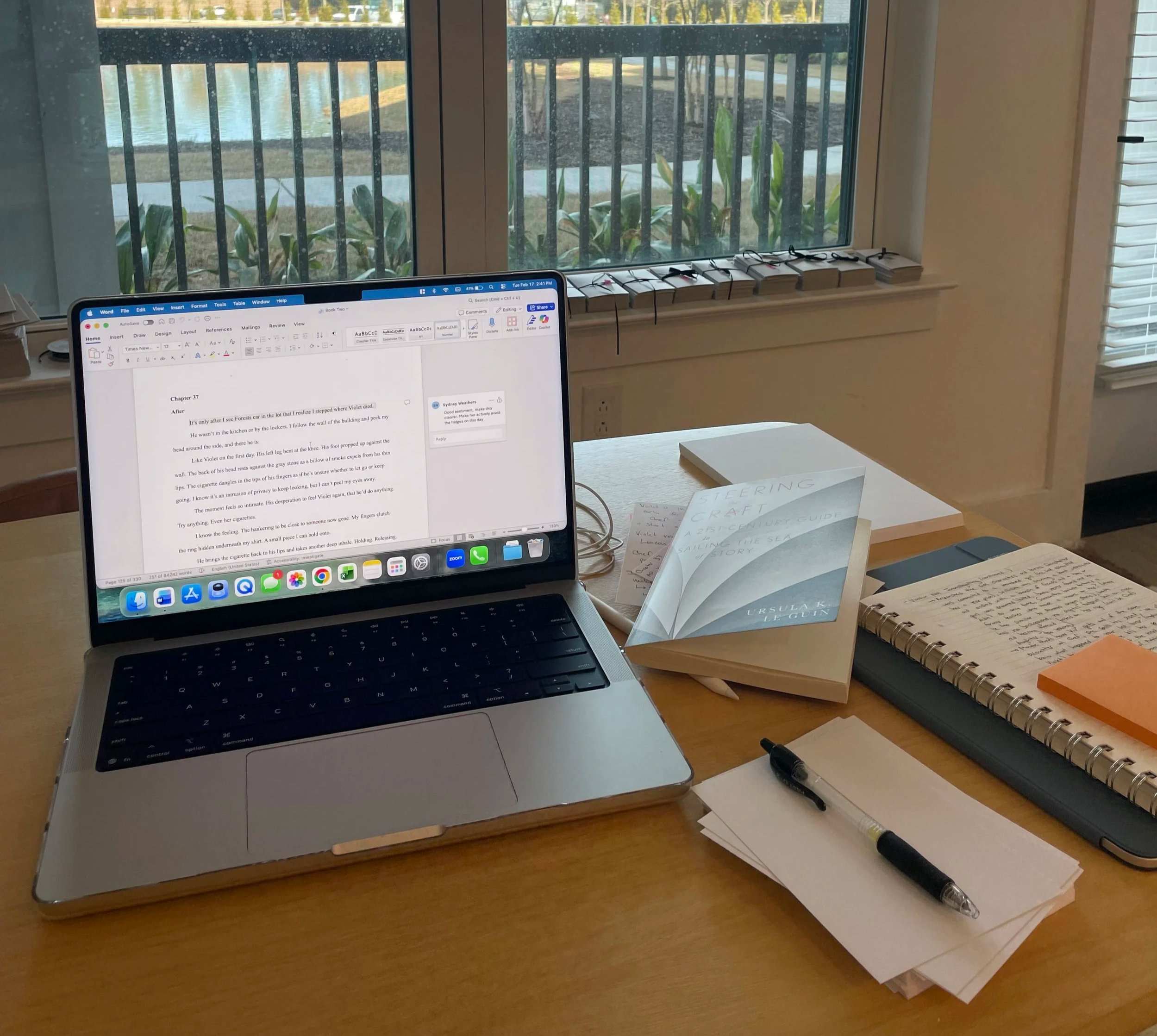
Although I do not have Waikiki or tropical coffee shops this time, I do have butcher paper, color-coded sticky notes, and a clearer understanding of what the manuscript needs to become.